Here’s a real-world, week-by-week look at what happens after teeth implants surgery. We’ll start with those first 24 hours of swelling and soreness, then walk through the months of bone healing as your implant fuses with your jaw.
This guide lays out typical milestones, warning signs you shouldn’t ignore, and some practical steps to keep your implant safe and help things heal up more comfortably. Expect the first few days to be all about pain control and soft foods.
The first few weeks usually bring less swelling and a return to normal function. Most folks need 3–6 months for full bone integration.
You’ll also see how your personal health and the surgical approach can speed up or slow down recovery. I’ll toss in some evidence-backed tips for healing, too.
Phases of Healing After Dental Implant Surgery
You’ll go through a few clear stages. The first days are really about managing bleeding, swelling, and pain.
In the weeks after, your bone starts growing into the implant, and your gums adapt around the site. You want to see steady improvement—if things get worse, reach out to your surgeon.
Initial Recovery and Bone Integration
During the first 7–14 days, you’ll deal with bleeding, swelling, and pain. Expect some light bleeding or oozing for the first day or two.
Swelling usually peaks around day two or three. Pain is pretty well managed with meds, whether over-the-counter or prescribed.
Ice helps for the first 48 hours. Don’t rinse your mouth too hard, and stick to soft foods.
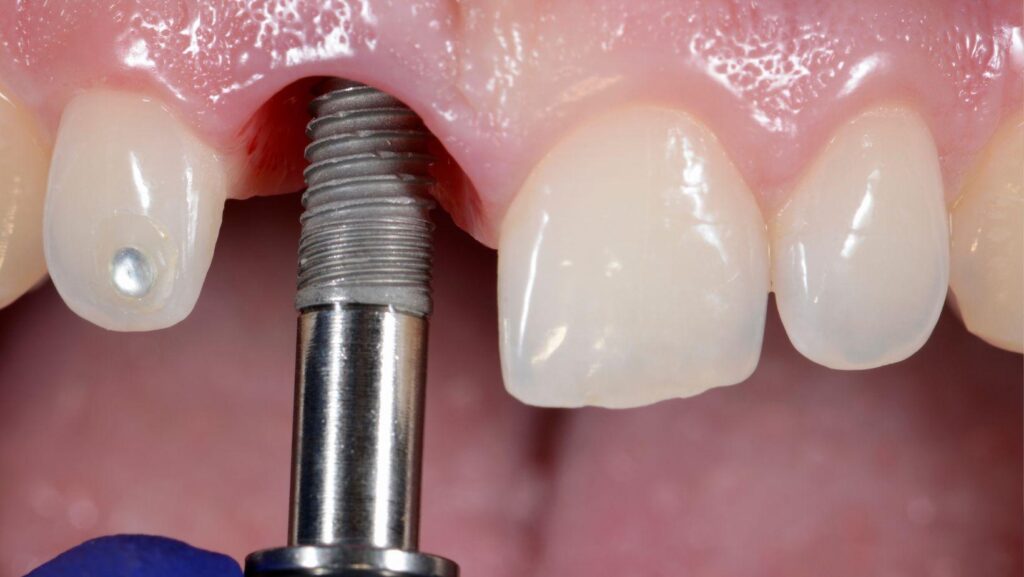
From about two weeks onward, your implant starts osseointegration—bone cells grow onto the implant’s surface. This is a slow, painless process.
You might notice some mild sensitivity when biting early on. Your surgeon will check stability at follow-up visits and decide when to move forward with the abutment or crown, using x-rays and clinical tests.
Soft Tissue Changes Over Time
Gums might look red or feel tender at first, but that usually calms down within a week or two. Sutures dissolve or get removed by day 7–14.
Your gum tissue starts maturing over the next month or so. Gentle brushing, antimicrobial rinses if your dentist says so, and avoiding trauma help your gums heal.
As months go by, the gum line and papillae shape themselves around the abutment or provisional crown, which matters for how things look. If you get a temporary crown, expect some tissue shaping and minor tweaks before the final version goes in.
Keep up with hygiene and follow-up visits—don’t let inflammation sneak in and mess with your results.
Signs of Healthy Healing
Pain, swelling, and bruising should all fade over the first few weeks. By week two, most of the discomfort is gone.
Chewing gets easier as bone healing moves along—usually by 8–12 weeks. X-rays at checkups should show stable bone around the implant, not any weird gaps.
Healthy gums look pink and firm, not deep red or spongy. You shouldn’t have ongoing bleeding, worsening pain, or pus.
A little numbness or mild sensitivity that fades over days or weeks can be normal. But if pain suddenly gets worse, or the implant feels loose, call your dentist—don’t wait.
Healing Challenges and Complications
Early on, you might run into dry socket (if you had a tooth pulled at the same time), bleeding that just won’t quit, or infection at the site. Smoking, uncontrolled diabetes, lousy oral hygiene, and biting too soon all raise your risk.
If you get a fever, swelling that spreads, or drainage that doesn’t stop, call your surgeon.
Later complications like peri-implant mucositis or peri-implantitis show up as bleeding when you probe, deeper gum pockets, bone loss on x-rays, or even implant looseness. Treatment can range from better hygiene and cleanings to antibiotics or surgery.
If the implant feels loose or you have pain that won’t quit, get it checked out fast.
Week-by-Week Recovery Milestones
At first, it’s all about managing pain, swelling, and eating carefully. Over the next months, the implant settles in, your gums heal, and you get back to normal chewing.
First Week Post-Procedure
Days 1–3 are usually the roughest for pain and swelling. Most people manage fine with prescribed or over-the-counter pain meds.
Ice helps—use it for 10–20 minutes at a time during the first day. Take it easy for a couple of days; no heavy lifting or intense exercise.
Bleeding or oozing is common that first day. Bite on gauze as your dentist told you until it stops.
Stick to soft foods like yogurt, mashed potatoes, or smoothies. Skip anything hot, spicy, crunchy, or chewy.
Rinse gently with warm salt water after 24 hours, and brush the teeth next to the implant carefully. Don’t scrub the surgical site.
Keep an eye out for infection—fever over 100.4°F (38°C), worsening pain, bleeding that won’t quit, or swelling that spreads. If any of that pops up, call your dentist.
Don’t miss your follow-up for suture removal or a check-in.
Second to Fourth Weeks Developments
By week two, swelling and bruising should be much better. Pain is usually minimal.
Sutures often dissolve or get removed by day 7–14. Some brief sensitivity when you touch the site or chew is normal.
Gums keep healing and covering up. You can start eating firmer foods, but don’t go for hard, sticky, or tough stuff just yet.
Keep brushing gently and rinsing with salt water. If you have a prescribed antimicrobial rinse, use it exactly as told.
If you’ve got a temporary crown, you might need minor adjustments for fit. If you notice persistent numbness, tingling, or any looseness, let your dentist know right away.
Mid-Term Healing at One to Three Months
Between months one and three, bone is remodeling and starting to lock onto the implant. You’ll probably feel more comfortable and able to chew most normal foods.
Don’t bite hard on an uncovered or freshly restored implant, though.
Your dentist might take some x-rays around 6–12 weeks to check bone healing and implant stability. The gums around the implant mature during this time.
You might need a little tissue shaping or tweaks to the provisional crown for the best look.
You can return to most normal activities and oral care, but avoid bad habits like chewing ice or hard seeds. Stick with your dental visits, and ask when the final crown will go in.
Long-Term Healing and Implant Stability
Full osseointegration, where bone totally fuses to the implant, usually wraps up between 3–6 months. This varies depending on your bone and the surgery.
At this point, the implant should feel stable. Your dentist will check everything with exams and x-rays before putting in the final crown.
Once you get the final restoration, you should have normal function and aesthetics again. Keep up with great oral hygiene and regular cleanings to avoid peri-implantitis.
Plan on routine checkups every 6–12 months to monitor bone, gum health, and the prosthesis. If you notice pain, looseness, or gum recession, don’t wait—get it checked.
Factors Influencing Recovery Pace
A bunch of factors affect how fast your implant heals and locks in. Some you can control, some you can’t.
Age, health conditions, oral hygiene, diet, and daily habits all play a role in recovery and risk for complications.
Individual Health Considerations
Your overall health really matters here. Blood flow, immune response, and bone remodeling all affect healing.
Uncontrolled diabetes, osteoporosis, and autoimmune diseases slow things down and raise infection risk. If you have diabetes, try to hit your dentist’s target A1C before surgery—better glucose control means fewer problems.
Medications also make a difference. Bisphosphonates, steroids, and some immune suppressants can mess with bone healing or raise infection risk.
Share your full medication list with your surgeon so they can adjust your plan if needed. Smoking cuts blood supply and delays healing—quitting a few weeks before and after surgery really helps.
Influence of Oral Hygiene Habits
Gentle, consistent oral hygiene keeps bacteria in check and helps prevent implant failure. Brush twice a day with a soft brush, and use an antimicrobial rinse as your dentist recommends for the first week.
Avoid scrubbing too hard near the implant at first—let the clot stay put.
Don’t skip your follow-up appointments. Your dentist can remove debris and check how your gums are healing.
If your plaque control slips, expect more inflammation and sore gums, and healing will slow down. Step up your home care, get targeted cleanings, or use topical antimicrobials if needed—most early problems can turn around with quick action.
Role of Diet and Nutrition
Your body needs calories, protein, vitamins, and minerals to build bone and repair tissue. Go for protein-rich foods (lean meats, dairy, legumes) and calcium during the first couple of months.
Vitamin D and C help with bone and collagen—ask your dentist if you need supplements.
Avoid hard, crunchy, or chewy foods for at least 2–6 weeks, depending on what your surgeon says. Stick to soft, nutritious foods like yogurt, mashed veggies, smoothies, and scrambled eggs.
Don’t use a straw at first. Limit alcohol for at least a week—it messes with your immune system and can interact with pain meds.
Lifestyle Factors Affecting Healing
Tobacco and vaping really cut down oxygen to your tissues and bump up the risk of implant failure. If you smoke, quitting before and staying smoke-free for a few months after surgery is huge for healing.
Sleep and stress matter, too. Aim for 7–9 hours of sleep to support healing.
High stress can slow things down—try short walks, breathing exercises, or a few minutes of mindfulness. Get back to physical activity gradually, but skip heavy lifting or high-impact sports for at least a week or two to avoid bleeding and swelling.
Tips for Supporting Optimal Healing
Follow a few daily basics, pay attention to warning signs, and keep in touch with your dental team to protect your implant and speed recovery.
Recommended Post-Surgical Care
Recognizing Warning Signs
Pay attention if you feel worse after the first week. Call your dentist if pain ramps up after day 3–5, swelling spreads, or you get a fever over 100.4°F (38°C).
Watch for bleeding that won’t stop after 24 hours, pus or a bad taste or smell, or if the implant or temporary crown gets loose. Numbness that doesn’t improve in two weeks or comes back after you thought it was gone also needs a check.
Keep a quick record of when symptoms start and how bad they get. Note any reactions to meds like rash, severe nausea, or trouble breathing—your dentist needs those details to figure out if you’ve got an infection, dry socket, nerve issue, or something up with the prosthesis.
Communicating With Your Dental Professional
Before you reach out to your provider, jot down the important stuff—your surgery date, which meds you’ve taken, when your symptoms started, and if you can, snap a few photos of the surgical area. Having these details handy really helps the team figure out what’s going on faster.
Go with the clinic’s preferred way of getting in touch. If the issue feels urgent, call them. For less pressing updates, use email or the patient portal.
If they ask you to come in, pay close attention to any instructions about meds or fasting. It’s not just red tape; it keeps your visit safer and smoother.
When you’re following up, don’t be shy about specifics. Try questions like, “Is this much swelling normal on day three?” or, “When can I get back to eating crunchy foods?” If you’re worried about missing something important, ask which warning signs mean you should call right away.
Always ask for written aftercare steps, and double-check how to take your prescriptions. It’s easy to get mixed up, and nobody wants a misunderstanding when it comes to healing.