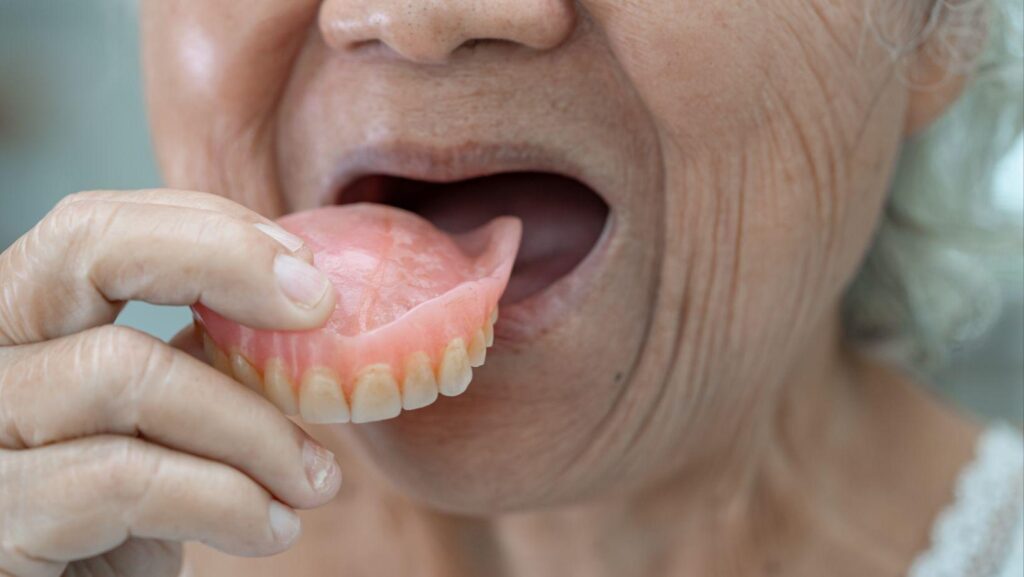
If your dentures slip, click, or make eating and speaking feel awkward, implant retained dentures offer a different experience. They anchor right to implants in your jaw, giving you a much more stable fit.
You’ll notice everyday confidence with dentures that stay put. They distribute bite forces more like natural teeth, so you deal with less movement and don’t have to rely on adhesives as much.
Let’s talk about how implant support improves stability, what wearing them feels like compared to regular dentures, and the long-term oral health benefits you might expect. And if your journey starts with tooth extractions in Chula Vista, knowing what comes next can help you plan with confidence—maybe by the end, you’ll have a clearer sense of whether this option fits your needs.
How Implant Support Enhances Stability
Implant-retained dentures anchor to metal posts in your jaw. They spread chewing loads across the bone and keep the denture from shifting when you eat or speak.
These effects combine to make the prosthesis feel way more stable than a denture that just rests on your gums.
Anchorage in the Jawbone
Titanium implants fuse with your jawbone through a process called osseointegration. This creates a fixed connection that acts like natural tooth roots.
Each implant sits in bone, so the denture snaps onto solid anchors instead of relying on suction or sticky adhesives. That direct bone attachment cuts down on both vertical and sideways movement.
You’ll probably notice fewer micro-shifts when you bite into something firm. The whole prosthesis moves as one piece with the implants.
This stability means fewer sore spots and less gum irritation, which often happen when a loose denture rubs against your gums.
Distribution of Bite Forces
Implants send chewing forces into your jawbone instead of just pressing them onto your gums. When you bite, the force travels from the denture, through the attachments, and into several implants.
Even with just two to four implants for an overdenture, the load spreads out much better than with a tissue-supported denture. That lets you chew tougher foods with less pain.
It also slows down bone loss that happens when pressure is all on the gums. Better force distribution helps keep your fit and function steady over time.
Minimized Denture Slippage
Attachment systems—like ball, locator, or bar connectors—lock the denture to the implants. These connections resist movement, so the denture stays in place when you talk, laugh, or bite.
You can usually remove the denture for cleaning. But daily activities won’t cause embarrassing slips or make you reach for adhesive.
The prosthesis holds its position, so you won’t need as many adjustments. You’ll probably drop habits like speaking slowly or avoiding certain foods, which people often do with loose dentures.
Comparing Implant and Conventional Denture Experiences
You’ll notice differences in how the denture feels, how you speak and eat, how your mouth senses taste and texture, and what your daily care routine looks like.
These differences show up in comfort, function, and long-term oral health. And honestly, they matter quite a bit.
Daily Function and Comfort
Implant-retained dentures attach to two to four implants that snap or clip into place. They sit more securely against your gums.
That stability cuts down on movement during daily activities. It also lowers the risk of painful rubbing or sore spots, which are common with regular dentures.
Conventional dentures rely on suction and adhesive across your palate or gums. They tend to feel bulkier, often need more adhesive, and might shift when you chew or smile.
If you’ve lost a lot of jawbone, implants usually fit better because they help preserve bone and keep the denture lined up.
Speech and Chewing Efficiency
With implant-retained dentures, you can usually bite with more force and confidence. The implants send chewing loads into the jawbone, making it easier to handle tougher foods like raw veggies or steak.
Traditional dentures limit your bite force and can slip during certain sounds or when you laugh. You might end up changing how you speak or picking softer foods to avoid accidents.
Overdentures that snap onto implants cut down on these issues compared to fully removable dentures.
Impact on Taste and Oral Sensation
A lot of people notice better oral sensation with implant-retained dentures. The design often covers less of your palate.
Less palate coverage means your tongue can touch the roof of your mouth more. That helps you taste flavors and feel textures more naturally.
Conventional upper dentures cover most of the palate, which can dull taste and temperature sensation. That bulk also makes it harder to judge food thickness or position in your mouth.
If taste and subtle oral sensation matter to you, going with an implant-retained prosthesis that uses less material on the palate can really help.
Maintenance and Oral Hygiene
You’ll need to clean both the implants and the denture regularly. You remove the denture to brush it and clean around the implants and attachments.
Special brushes and floss (or water flossers) help control plaque around the implant abutments. That’s important to prevent peri-implantitis.
Conventional dentures also need daily removal and cleaning, plus routine adhesives. They often need professional relining as your jaw changes shape.
Both types need regular dental visits. But with implants, you’ll also need to maintain the attachment parts—like retentive clips or O-rings—that can wear out over time.
Long-Term Benefits for Oral Health
You get better chewing function, preserved jawbone volume, and a prosthesis that usually lasts longer than regular dentures.
These perks mean less future dental work and better facial proportions as you age.
Prevention of Bone Loss
When you lose teeth, your jawbone stops getting the biting forces that keep it healthy. Implants send those forces back into the bone, slowing or even stopping the bone loss that comes after tooth extraction.
That bone preservation matters for chewing strength and for keeping nearby teeth stable. Without implants, dentures press on your gums and speed up bone shrinkage, which messes with fit over time.
A few things to keep in mind:
Preservation of Facial Structure
Bone loss under your cheeks and around your mouth can make your face look sunken. Implant-retained dentures help maintain bone and soft-tissue support, so your jawline and facial proportions stay more intact.
You’ll see better support for your lips and cheeks compared to dentures that just sit on your gums. This support helps you avoid the facial changes that often show up after years of tooth and bone loss.
Practical effects? You get improved lip support and less risk of a collapsed lower face. Your facial shape changes more slowly as you age.
The fit of your prosthesis stays more consistent, helping you keep your natural contours over time.
Durability and Lifespan
Implant-retained dentures bring together two tough parts: titanium implants set deep in the bone, and a removable or fixed denture that snaps onto them. Those implants? With good care, they can stick around for decades.
The denture part might need a repair or swap every now and then. Still, you’ll probably deal with fewer emergency visits for looseness than with regular dentures.
Daily cleaning around the implant attachments is a must. Routine exams help catch issues early and keep everything working longer.
Practical maintenance checklist: