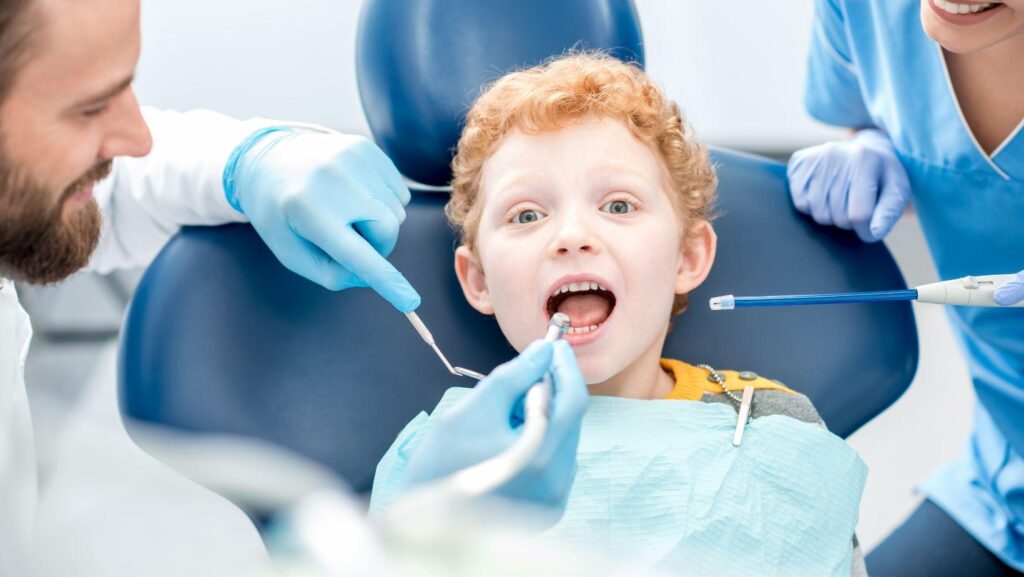
Worried about your child’s dental treatment and what to expect? Tooth decay is the most common chronic childhood disease, and many problems are preventable. This post explains common treatments, why they matter, and what parents can do to help.
Read on for simple, practical steps.
Importance of Pediatric Dental Procedures
Pediatric dental procedures protect young teeth. They stop tooth decay and prevent infections that can hurt eating and speech. Early treatments keep adult teeth on the right path. Parents should track dental checkup dates and follow simple oral hygiene steps.
Early visits build comfort and lower dental anxiety. A pediatric dentist can provide fluoride treatment and sealants as part of preventive care. Parents get clear parental guidance on nutrition and home dental care.
Regular care saves time, pain, and money over the long term.
Preventive Dental Treatments for Children
Dental cleanings and exams help keep kids’ teeth healthy. Fluoride treatments and sealants protect against cavities.
Dental cleanings and exams
Pediatric dentists perform regular cleanings and exams to spot problems early. A dental checkup includes plaque removal, gum inspection, and bite evaluation. These visits teach children good oral hygiene and show parents proper brushing and flossing.
Clinics set a schedule for preventive care, usually every six months. Dentists track tooth decay and growth to plan fillings or other dental procedures. Parents get guidance on nutrition, fluoride treatment, and sealants to protect teeth.
Fluoride treatments and sealants
Fluoride treatments strengthen enamel and help prevent tooth decay. Dental offices apply a fluoride gel or varnish during a dental checkup. The treatment takes minutes and suits most children.
Sealants act as a shield on molars and premolars. A pediatric dentist paints a thin resin into grooves to block bacteria. Sealants last several years and fit into preventive care plans.
Common Pediatric Dental Procedures
Children may need various dental treatments to keep their teeth healthy. These procedures can help fix problems and prevent further issues, ensuring a bright smile for your child.
Tooth-colored fillings
Tooth-colored fillings help fix cavities in kids’ teeth. They blend well with natural tooth color, making them less noticeable than metal fillings. These fillings are made from a safe material called composite resin.
Pediatric dentists often use these fillings for children since they support good oral hygiene habits. Kids can smile confidently knowing their teeth look healthy and bright. Proper care helps prevent new cavities and keeps dental procedures simple in the future.
Pulp therapy
Tooth-colored fillings help fix cavities. Pulp therapy steps in when a tooth has deeper damage. This treatment keeps the tooth alive and healthy.
Pulp therapy removes the damaged nerve tissue from inside the tooth. The dentist cleans this area and fills it with a special material. Kids often need this procedure if they have serious decay or an injury to their teeth.
It helps save the natural tooth, preventing further problems later on. Parents can be reassured that pulp therapy is safe and effective for kids’ dental care.
Dental crowns
Dental crowns help fix damaged teeth. They cover the entire tooth, providing strength and protection. Crowns can be made from different materials such as ceramic or metal. A dentist might recommend a crown after a root canal or if a tooth is severely decayed.
Getting a crown involves two visits to the dentist. In the first visit, the dentist prepares the tooth and takes impressions. Those impressions create a custom crown that fits well.
During the second visit, they place the crown on your child’s tooth. This procedure can improve both appearance and function of their teeth in pediatric dentistry.
When Tooth Extractions Are Necessary
Tooth extractions may be needed if a child’s tooth is too damaged or infected. Some teeth are also removed to make room for adult teeth. Parents should know what to expect before and after the procedure.
Keep reading to learn more about this topic.
Reasons for extractions
Tooth extractions can seem scary for kids and parents. Understanding why they are needed can help ease worries.
- Severe tooth decay may lead to extractions. When a tooth has too much damage, it might be better to remove it than to fix it.
- Baby teeth sometimes do not fall out on their own. These teeth may block the space for permanent teeth to come in.
- Crowded teeth can create problems with biting and alignment. Extracting a tooth can make room for other teeth, helping them grow in straight.
- Abscessed teeth can cause pain and infection. If treatment does not work, extraction might be the safest option for health.
- Injuries from accidents or sports may break a tooth beyond repair. In these cases, removal is often necessary to prevent further issues.
When severe decay, infection, or crowding makes removal necessary, parents may consider pediatric teeth extractions in Fullerton with a dentist experienced in children’s oral care. Extractions should always be handled by a skilled pediatric dentist who understands children’s needs and concerns.
What to expect during and after the procedure
Children may feel nervous about dental procedures. Knowing what happens can help ease their fears.
- A pediatric dentist will explain the procedure in simple words. This makes it easier for kids to understand.
- The dentist will clean the area around the tooth before starting any work. This helps prevent infection.
- Local anesthesia is often used. It numbs the area so children do not feel pain during the procedure.
- Children might hear sounds from dental tools. These sounds can be surprising, but they are normal in a dental office.
- The procedure time varies depending on what is done. Simple fillings might take a short time, while other treatments may take longer.
- After the procedure, children will need some time to rest in the office before going home. This allows them to recover from anesthesia or sedation.
- Parents should watch for swelling or bleeding at the site of treatment after leaving the office. This helps ensure everything healed well.
- Soft foods are best for a few days after certain procedures, like extractions or crowns. These foods help prevent irritation.
- Kids should avoid hard or sticky foods right after treatment to protect their teeth as they heal.
- Follow-up appointments may be necessary to check healing and care for dental hygiene at home.
Understanding these steps can help parents support their children through dental visits and encourage good oral hygiene habits for healthy smiles!
The Role of Space Maintainers
Space maintainers help keep a child’s mouth ready for adult teeth. They are used when a baby tooth is lost too early. If the space is not preserved, nearby teeth may shift and fill the gap.
This can lead to problems with bite and alignment.
A pediatric dentist usually places these devices. They can be fixed or removable, depending on the case. Fixed space maintainers stay in place until the adult tooth grows in. Regular check-ups are important to ensure they work correctly and do not cause any discomfort.
Keeping up with oral hygiene is also essential during this time to prevent decay around them.
Sedation Options for Comfort and Safety
Sedation can help ease fears during dental visits. Options like nitrous oxide and oral sedation make procedures more comfortable for children.
Nitrous oxide (“laughing gas”)
Nitrous oxide is often called “laughing gas.” It helps kids relax during dental procedures. Dentists give it through a small mask placed over the child’s nose. This gentle gas makes them feel calm and goofy.
This option is safe for children. It wears off quickly, allowing kids to return to normal activities soon after. Parents can feel assured that nitrous oxide adds comfort while ensuring safety during treatments like tooth fillings or extractions.
Oral sedation and general anesthesia are other options available for deeper relaxation or sleep during dental care.
Oral sedation and general anesthesia
Oral sedation and general anesthesia help keep children calm during complex care.
|
Type |
What It Is |
Who It Helps |
Risks |
Recovery |
|
Oral Sedation |
Medication taken by mouth. Doses vary by weight and age.
|
For anxious or mildly uncooperative children. Suitable for short procedures.
|
Temporary drowsiness is common. Rare breathing or vomiting issues can occur.
|
Child may feel sleepy for hours. A responsible adult must watch the child.
|
|
General Anesthesia |
Child is fully asleep during care. Administered by an anesthesiologist or trained provider.
|
Best for extensive treatment or severe anxiety. Needed for long procedures or very young patients.
|
Breathing support may be required. Monitoring reduces risk of complications.
|
Full recovery may take a day. Follow post-op eating and activity rules.
|
|
Safety Measures |
Pre-op medical review is required. Weight, health, and medications are checked.
|
Fasting rules protect the airway. Clear instructions improve safety.
|
Emergency equipment is on site. Staff follow strict monitoring protocols.
|
Aftercare instructions come in writing. Call the office for problems.
|
|
Consent and Communication |
Parents sign informed consent forms. Risks and benefits are explained.
|
Questions should be asked before the day. Bring the child’s medical history to the visit.
|
Insurance coverage varies by plan. Ask about costs ahead of time.
|
Arrange transportation for discharge. Plan quiet rest at home.
|
Talk with the dentist about credentials and sedation choices next.
Choosing a Board-Certified Pediatric Dentist
A board-certified pediatric dentist has special training in caring for children’s teeth. They know how to make kids feel safe and comfortable during dental visits. These dentists focus on child development and dental care specific to kids.
Look for a pediatric dentist with good reviews from other parents. A friendly office staff can also help ease your child’s anxiety about dental procedures. Regular checkups are key to maintaining oral health, so choose a dentist who emphasizes preventive care like cleanings, fluoride treatments, and sealants for children.
Conclusion
Parents play a key role in their child’s dental care. Understanding dental procedures helps ease anxiety and promote healthy habits. Visit a pediatric dentist for regular checkups and preventive treatments.
Focus on good oral hygiene at home, too. Together, you can keep your child smiling bright!