You might pick mini dental implants to save time, preserve bone, or support a denture with less invasive surgery. Traditional implants, on the other hand, give you stronger long-term durability and more restoration options for single teeth or full arches.
Mini implants make sense if your bone volume is limited or if you want a quicker, lower-cost fix. Traditional implants are better for folks who want maximum strength, longevity, and broader restorative choices.
Let’s break down how implant size and structure affect healing, stability, cost, and maintenance. By the end, you’ll have a clearer idea of what fits your mouth, budget, and timeline.
We’ll look at the design, who benefits most, and what life looks like years after placement. You’ll be better prepared to chat with your dentist and make a decision you won’t regret—and if you’re looking for dental implants in Melissa, TX, connecting with a local specialist is a great next step toward finding the right fit.
Core Differences in Implant Design
Mini implants are narrower, often a single piece, and work well when bone volume is tight or you want a fast placement. Traditional implants are wider, two-piece systems that offer stronger long-term support and more ways to restore missing teeth.
Size and Structure Variations
Mini dental implants (MDIs) usually measure 1.8–3.3 mm in diameter. They often come as a single-piece design, with the post and abutment fused together.
That slim, integrated design skips extra connectors, but it also means there’s less surface area touching bone. So, the implant can’t handle as much chewing force.
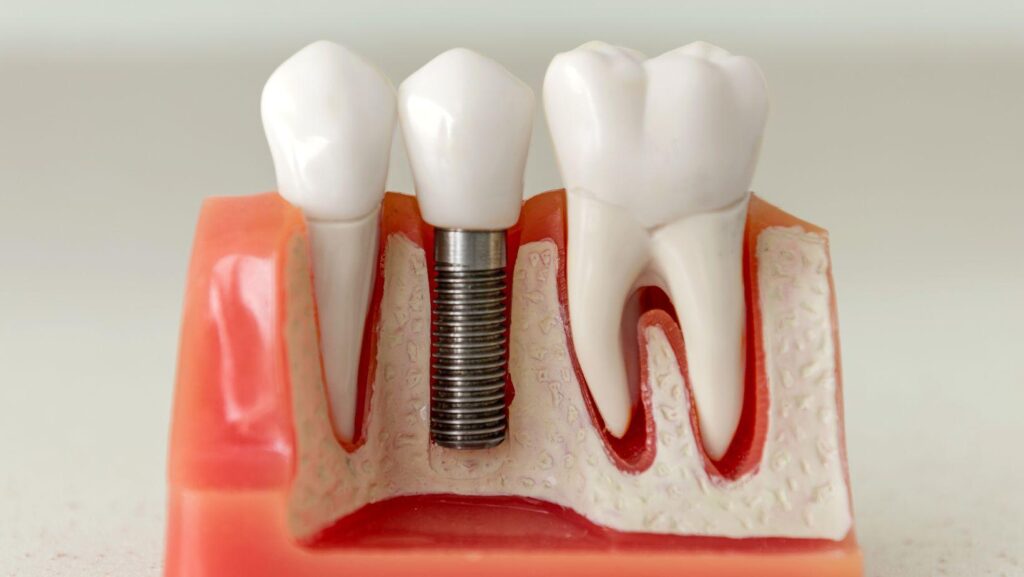
Traditional implants are bigger—typically 3.5–6.0 mm in diameter—and use a two-piece system (implant body plus abutment). The extra width and separate abutment give you more bone contact and stronger connections for crowns, bridges, or multi-unit restorations.
Both types use titanium or titanium alloy. Surface treatments vary to help the bone bond better.
Placement Procedures
Mini implants usually need less invasive surgery. Sometimes, your dentist can place them right into a healed ridge or fresh sockets.
You’ll probably have a shorter appointment, just local anesthesia, and not many sutures. If your bone quality is good enough, you might even walk out with a temporary denture the same day.
Traditional implants take a bit more planning. Sometimes you’ll need bone grafts and staged healing.
The process often goes like this: implant placement, a few months for the bone to heal, then connecting the abutment and attaching your new tooth. This step-by-step approach helps ensure everything stays strong and looks good, especially if you’re replacing single teeth or several in a row.
Suitability for Different Patients
Mini implants work for patients with less bone, tighter budgets, or those who want a less invasive option. Traditional implants are a better pick if you want long-term durability, stronger bite force, and full restoration for single or multiple teeth.
Bone Density and Health Considerations
If your jawbone is thin or short, mini implants can often work without major bone grafting. Their narrow shape means they need less bone.
You still need enough cortical bone for stability, though. If your bone is really resorbed, even minis might not hold well.
Traditional implants need more bone volume and density for reliable results. If you smoke, have uncontrolled diabetes, or use certain meds like bisphosphonates, talk to your dentist—these factors can lower success rates for both types, but especially for traditional implants.
Your dentist will probably use imaging (CBCT or panoramic x-rays) to check your bone and decide if grafting or sinus lifts are necessary.
Candidacy for Immediate Loading
You can often get a temporary restoration on mini implants the same day, as long as there’s enough initial stability (measured by insertion torque or ISQ).
That’s a big plus if you want quick function or need to stabilize a loose denture.
With traditional implants, immediate loading is possible but less common. Your dentist will look at implant size, bone quality, and how tightly the implant fits.
A thick implant in dense bone is more likely to qualify than a narrow one in soft bone. If immediate loading isn’t safe, waiting 3–6 months for healing usually pays off in the long run.
Long-Term Outcomes and Maintenance
Mini implants are less invasive and cost less upfront, but they don’t always last as long or handle complications the same way as traditional implants. Traditional implants usually offer stronger support and have a longer track record for single teeth or full-arch restorations.
Durability and Longevity
Traditional implants use wider fixtures that bond deeply with the jawbone, so they can handle more chewing force and even teeth grinding. Studies and years of practice show survival rates over 90–95% after 10 years if they’re well cared for.
Mini implants are thinner and often used to stabilize dentures or in spots with limited bone. They work well in the short to medium term, but their mechanical strength and resistance to fracture under heavy biting are generally lower.
How long either type lasts depends on a few things:
Potential Complications
Implant failure can hit early (while the bone is healing) or later (after you start using it). Early failures usually come from infection, poor stability, or surgical issues.
Later problems often involve gum inflammation, bone loss, or issues with the attached tooth.
Mini implants have their own risks: they’re more likely to fracture if overloaded and can lose bone support if they take too much force. Traditional implants aren’t perfect either—they can have loose screws, rare fractures, or gum inflammation that leads to bone loss.
Good infection control and careful surgery help avoid most problems.
Keep an eye out for:
Follow-Up Care Requirements
You’ll need to show up for regular professional cleanings and exams. Most folks go every 3–6 months at first, but your clinician might tweak that schedule.
At these visits, they’ll check if your implant feels stable and look at the health of the tissue around it. They’ll also make sure the prosthetic parts haven’t loosened up or worn down.
Sometimes, they’ll take X-rays to spot bone loss early—before it causes real trouble.
What you do at home matters a lot. Brush twice a day with a soft toothbrush, and get between the teeth with floss or an interdental brush that fits your spaces.
If your provider suggests it, use an antimicrobial rinse. Got a removable prosthesis on mini implants? Take it out and clean both the prosthesis and the implant attachments every day.
If you smoke or have a metabolic condition, brace yourself for more frequent checkups and a bit more scrutiny.