Pigmentation on the skin can often be frustrating, appearing gradually and sometimes without any warning signs. Many people notice uneven patches on the cheeks, forehead, or upper lip only when makeup stops covering them as effectively or when sunlight highlights areas of discoloration that were previously subtle. While these spots are usually harmless, they can affect confidence, and it is common to start wondering if treatments are worth exploring, especially when home remedies or over-the-counter products seem inconsistent or slow to show results.
Skin pigmentation can result from a combination of sun exposure, hormonal changes, and natural aging. Over time, melanin, the pigment responsible for skin color, may accumulate unevenly, leaving darker areas that are resistant to fading. For some, the patches lighten over time, while for others, they may persist or even worsen. Understanding the behavior of these spots often helps set realistic expectations for improvement, even before considering professional interventions.
Why Pigmentation Can Be Persistent
Pigmentation issues are frequently grouped under general terms, yet the underlying causes can differ. Sun spots, post-inflammatory hyperpigmentation, and melasma may appear similar at first glance, but their responses to treatment often vary. In particular, laser treatment for pigmentation Singapore is usually considered as part of a broader management plan rather than a quick-fix solution, which can be surprising for those expecting immediate results.
The stubbornness of pigmentation is partly due to how pigment-producing cells respond to triggers. Factors such as ultraviolet exposure, hormonal fluctuations, and even heat from the environment can activate these cells, sometimes unpredictably. This explains why areas that were improving may suddenly darken, and why treatment often requires a degree of patience. In practice, seeing results may take several sessions and careful follow-up to maintain improvement.
How Laser Treatments Work
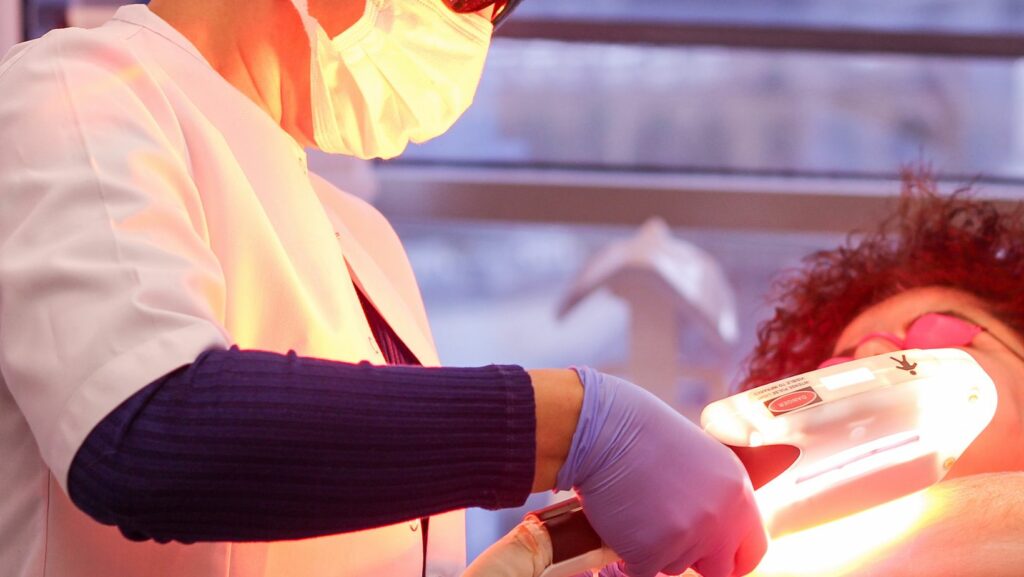
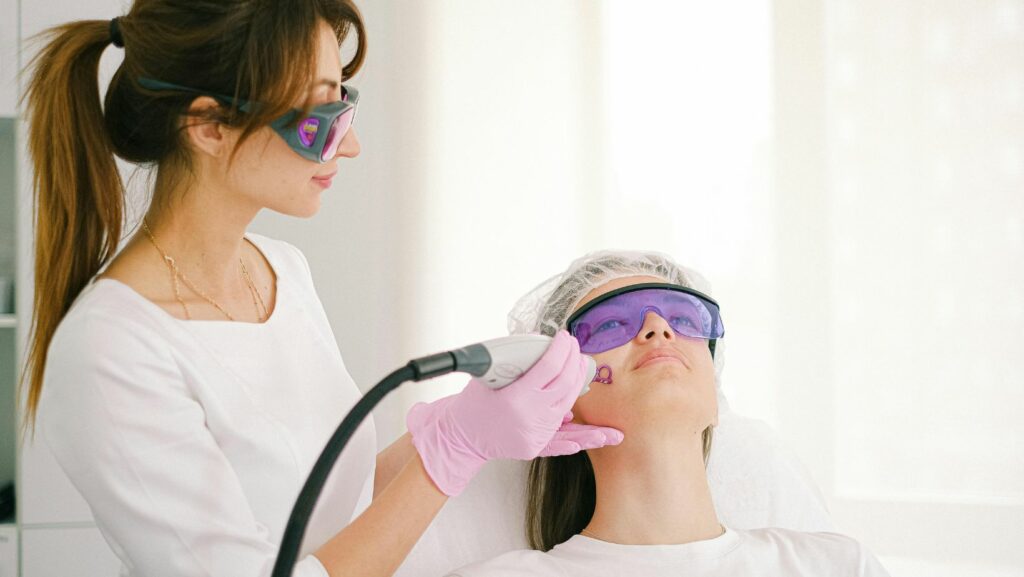
Laser procedures aim to target pigment in the skin selectively. Depending on the type of laser, the energy penetrates different layers, breaking down excess pigment into smaller particles that the body can gradually remove. The process is often precise, focusing on the affected areas while leaving surrounding skin relatively untouched.
Patients can expect varying responses depending on skin type, pigmentation depth, and the type of laser used. Some may notice immediate lightening in certain spots, while others experience gradual improvement over several weeks. Mild redness or temporary swelling is common and usually resolves quickly, but for some people, the skin may need additional time to adjust before noticeable results become apparent.
Preparing for Laser Treatment
Before undergoing laser procedures, consultation with a trained professional is essential. During this stage, the clinician typically assesses the type of pigmentation, skin sensitivity, and any preexisting conditions that may affect outcomes. It is often recommended to minimize sun exposure and avoid certain skincare products that could increase sensitivity before treatment.
In addition, realistic expectations should be established. While lasers can significantly reduce pigmentation, complete removal is not always possible, and maintenance treatments may be needed. Some areas of pigment respond faster than others, and the overall result may vary slightly between sessions. Understanding these nuances can help reduce frustration during the treatment process.
Aftercare and Recovery
One of the appealing aspects of modern laser treatments is that downtime is often minimal. Patients may experience mild redness or slight peeling in treated areas, but most daily activities can usually continue with careful protection and gentle skincare. Applying sunscreen consistently becomes particularly important, as treated skin can be more sensitive to ultraviolet light.
It is also common for pigment to temporarily darken slightly before fading, a process known as post-treatment pigmentation, which can be unsettling but is generally expected. Monitoring the skin’s response and following aftercare instructions carefully can make a noticeable difference in long-term results.
When to Seek Professional Help
There are situations where professional guidance becomes particularly important:
- Pigmentation persists or worsens despite consistent sun protection and topical care
- New patches appear suddenly or change in appearance
- Skin becomes irritated, itchy, or inflamed after treatment
- Uncertainty exists about the type or cause of pigmentation
- Emotional or psychological distress due to appearance affects daily life
Achieving Balanced Skin Tone
Managing pigmentation often requires a combination of professional treatment, careful protection, and patience. While some improvement can be seen relatively quickly, it is normal for changes to be gradual and for certain areas to respond more slowly. A consistent approach over time generally leads to more stable results, even if complete removal of pigment is not possible.
Many patients find that the goal of softening dark patches and achieving a more even overall tone is more realistic and sustainable than aiming for total clearance. Regular check-ins with a clinician can help adjust treatment strategies and ensure that the approach continues to suit individual skin responses.
Commonly Asked Questions
Can pigmentation fade without laser treatment?
Mild pigmentation may fade gradually with consistent sun protection and skincare, but deeper or hormonally influenced pigmentation often requires professional intervention for significant improvement.
How many sessions of laser treatment are usually needed?
The number of sessions varies depending on pigmentation depth, skin type, and the laser used. Some people notice improvement after one session, while others may require multiple treatments spaced over weeks or months.
Is laser treatment safe for all skin types?
Most skin types can be treated safely when procedures are tailored by a qualified clinician. However, some lasers may carry a higher risk of temporary darkening or irritation for darker skin tones, so careful assessment is necessary.
Will pigmentation return after treatment?
Recurrence is possible if underlying triggers, such as sun exposure or hormonal changes, reappear. Maintenance sessions and diligent sun protection can help reduce the likelihood of pigment returning.
Are there any side effects to expect?
Temporary redness, swelling, or mild peeling can occur after treatment. These effects generally resolve quickly with proper aftercare, and most patients can continue daily activities shortly afterward.
Next Steps
If you are considering laser treatment for pigmentation, it can be helpful to document your current skincare routine, sun exposure habits, and any previous treatments before consulting a qualified professional, as this information often guides more personalized and realistic treatment planning.